
(The Science of Lifespan, Biological Age, and What You Can Do Today to Live Longer and Healthier)
Introduction
“How long will you live?” It’s a question that blends science, curiosity, and the deepest human desire: more time.
Today, we can estimate lifespan more accurately than ever—using biological age, DNA methylation patterns, metabolic health, and environmental exposures. Even better, we can slow aging and extend lifespan with targeted lifestyle strategies.
This guide unpacks the systemic drivers of human aging and breaks down:
- What determines human lifespan
- Why do people age differently
- How biological age predicts longevity
- A 12‑month plan to reverse biological aging
- A personalized longevity map you can start today
Key Lifespan Determinants at a Glance
| Factor | Lifespan Contribution | Primary Mechanism | Modifiability |
| Genetics (Baseline Blueprint) | 20% – 30% | Sets baseline DNA repair capacity, metabolic pathways, and inflammatory response. | Non-modifiable baseline, but gene expression is heavily modulated by lifestyle. |
| Biological Age (Epigenetic Clock) | Cellular Clock | Measures DNA methylation patterns, telomere length, and cellular senescent burden. | Highly Modifiable (70–80%) via targeted interventions. |
| Metabolic Health | Major Driver | Insulin sensitivity, visceral adiposity, and advanced glycation end-products (AGEs). | High (80–90%) through diet, exercise, and muscle preservation. |
| Inflammaging Status | Major Driver | Low-grade systemic inflammation (hs-CRP, IL-6, TNF-) damaging vascular walls. | High (70–85%) through anti-inflammatory nutrition and sleep. |
| Cardiorespiratory Fitness | Top Predictor | VO₂ max, mitochondrial density, and cardiac stroke volume. | High (80–90%) via Zone 2 endurance and HIIT protocols. |
Section 1: What Will Determines How Long You Live?
Human longevity is dictated by a dynamic, multi-layered interaction among baseline genetics, epigenetic execution, metabolic health, and external environmental exposures.
1. Genetics: Your Baseline Blueprint (20–30% Impact)
Extensive population and twin studies demonstrate that genetics account for approximately 20% to 30% of the variation in human lifespan. Key genetic factors include:
- DNA repair
- Inflammation
- Metabolic pathways
- Immune function
- Stress resilience
Genetic variants define your starting baseline, not your absolute destiny. Having high-risk genetic variants does not guarantee premature aging, nor does possessing protective longevity genes render one immune to unhealthy lifestyle practices. But genes are only the starting point. Lifestyle and environment shape the rest.
2. Biological Age: Your Cellular Clock & Real Age
While chronological age simply measures the total number of orbital revolutions around the sun, biological age quantifies the structural, functional, and biochemical vitality of your tissues and organ systems. Biological age reflects how fast your cells are aging. It’s influenced by:
- DNA methylation (the addition or removal of methyl groups at CpG sites across the genome)
- Metabolic health – Mitochondrial Efficiency & Dynamics: Energy output efficiency (ATP production) versus ROS (reactive oxygen species) leak rate
- Immune function
- Inflammation
- Sleep, stress, and diet
Two people can be 50 years old chronologically but biologically 38 and 62. The younger biological age almost always predicts longer life.
Clinical Example: Consider two 50-year-old individuals. Individual A exhibits optimal glycemic control, high cardiorespiratory fitness (VO₂ max), and low systemic inflammation, resulting in a biological age of 38. Individual B struggles with metabolic syndrome, chronic stress, and visceral adiposity, yielding a biological age of 62. Although chronologically identical, Individual A has an exponentially lower 10-year all-cause mortality risk.
3. Environment & Lifestyle: The Dominant Longevity Drivers (70–80%)
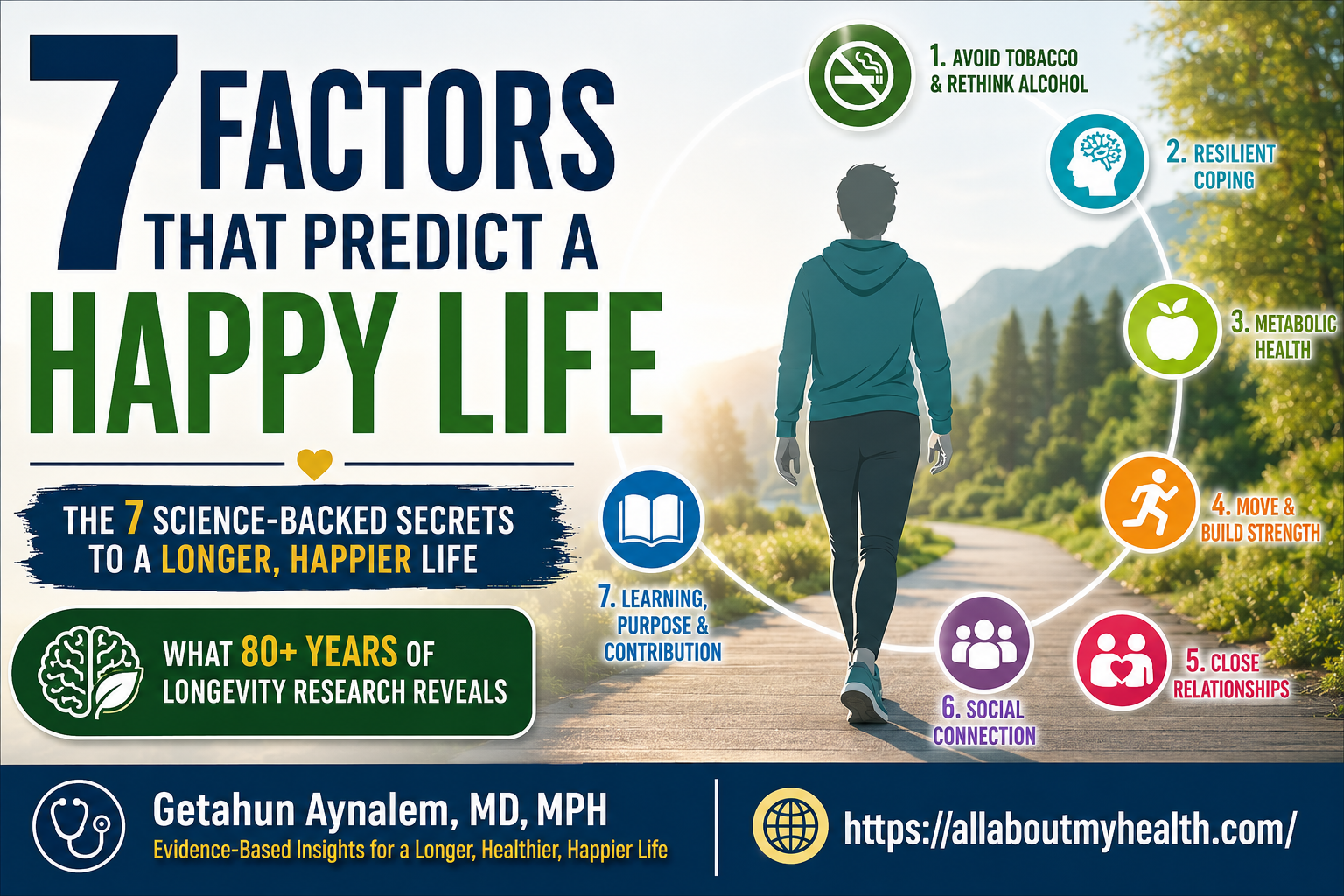
The vast majority of lifespan outcome is governed by daily lifestyle choices and environmental exposures. Key factors include:
- Diet
- Exercise
- Sleep
- Stress
- Social connection
- Pollution exposure
- Smoking/alcohol
- Access to healthcare
These environmental inputs continuously signal your epigenome, effectively turning longevity genes on or off. These factors influence biological age more than genetics.
Section 2: Why People Age Differently
Walk into any medical clinic or social gathering, and you will observe individuals of the exact same chronological age who differ dramatically in physical function, cognitive acuity, and visual aging. The biological drivers of these divergent include:
Metabolic Differences
Metabolic Health & Insulin Sensitivity: Metabolic dysfunction is a primary accelerator of biological aging. Individuals who maintain high insulin sensitivity, low glycemic variability, and minimal visceral adipose tissue maintain youthful cell membrane integrity and mitochondrial function. Hence, peoplee with stable glucose, low visceral fat, and good insulin sensitivity age slower.
Inflammation Levels
Systemic Inflammaging: “Inflammaging” refers to the low-grade, sterile, chronic systemic inflammation that develops with advancing age. Persistent elevation of inflammatory cytokines (hs-CRP, IL-6, TNF-$\alpha$) damages endothelial linings, degrades joint cartilage, accelerates neurodegeneration, and suppresses immune surveillance. Chronic inflammation accelerates aging and disease. Long‑lived individuals show lower inflammatory markers.
Cellular Repair Efficiency
DNA repair systems vary widely between individuals. DNA Repair Efficiency & Mitochondrial Integrity: Every cell in the human body suffers thousands of DNA lesions daily from endogenously produced free radicals and ambient radiation. Individuals with highly active, robust DNA repair enzymatic systems (e.g., PARP enzymes and sirtuins) maintain genomic stability significantly longer
Stress & Social Factors
Loneliness and chronic stress accelerate biological aging. Chronic stress elevates cortisol, damaging the hippocampus, shortening telomeres, and impairing sleep. Social connection and purpose slow aging.
Environmental Exposures
Pollution, smoking, and poor sleep environments accelerate aging dramatically.
Psychosocial Dynamics & Cortisol Signatures
Chronic psychosocial stress keeps the hypothalamic-pituitary-adrenal (HPA) axis hyperactive, resulting in sustained cortisol elevation. High cortisol levels degrade hippocampal brain tissue, accelerate telomere shortening, impair glucose tolerance, and disrupt nocturnal deep sleep.
Section 3: Can We Predict How Long We Will Live?
Biological Age Tests
Epigenetic clocks predict mortality risk better than chronological age. DNA Methylation Epigenetic Clocks: Advanced epigenetic clocks (such as Horvath, Hannum, PhenoAge, GrimAge, and DunedinPACE) evaluate specific CpG methylation sites across the genome. DunedinPACE measures the current speed of biological aging (e.g., aging 0.8 years per calendar year versus 1.3 years per calendar year). GrimAge provides high predictive power for all-cause mortality and age-related disease onset.
Clinical Biomarker Panels
Comprehensive Clinical Biomarker Panels: Standardized, routinely accessible clinical blood tests can be used to calculate composite biological age (e.g., Levine Phenotypic Age model).
Quarterly bloodwork can estimate biological age using markers such as:
- Glucose
- Lipids
- CRP
- Kidney/liver markers
Lifestyle & Environmental Risk Scores
Smoking, obesity, inactivity, and pollution each shorten lifespan.
Genetic Risk Scores
Polygenic Risk Scores (PRS): Polygenic scoring integrates thousands of minor single nucleotide polymorphisms (SNPs) to estimate inherited liability for major chronic conditions. Large cohort studies demonstrate that adopting an optimal lifestyle can lower mortality risk by over 50% even in individuals with high genetic risk. Polygenic scores predict disease risk and lifestyle can override genetics.
Section 4: Your Personal Longevity Map Framework
Common Risk Factors
Most people fall into one or more categories:
- Metabolic risk
- Inflammatory risk
- Cardiovascular risk
- Environmental risk
- Psychosocial risk
Modifiable Factors
You can change:
- Diet
- Exercise
- Sleep
- Stress
- Social connection
- Weight
- Blood pressure
- Glucose
- Inflammation
Non‑Modifiable Factors
You cannot change genetics or early‑life exposures, but you can counteract them.
Section 5: The 12‑Month Biological Age Reversal Plan
This protocol is structured into four progressive 3-month phases designed to reset metabolism, reduce systemic inflammation, build cardiorespiratory capacity, and optimize environment.
Phase 1 (Months 1–3): Metabolic Reset & Glycemic Stabilization
Goals: Improve insulin sensitivity, reduce visceral fat, stabilize glucose.
Actions:
- Mediterranean‑style diet
- Eliminate ultra-processed foods
- Remove added sugars
- Walk 8,000–10,000 steps daily
- Strength training 2–3× weekly
- Measure baseline fasting glucose, fasting insulin, HbA1c, and lipid panel.
Phase 2 (Months 4–6): Inflammation Reduction & Sleep Optimization
Goals: Lower chronic inflammation and restore restorative deep sleep.
Actions:
- Increase dietary omega-3 rich food, polyunsaturated fatty acids or supplements with high-purity EPA/DHA.
- Incorporate polyphenols (green tea, dark berries, extra virgin olive oil).
- Reduce processed foods
- Improve sleep – Mandate a 7–9 hours sleep window.
- Stress‑reduction practices
- Address chronic inflammatory vectors such as periodontal disease or unmanaged sleep apnea.
- Treat gum disease or chronic infections
Phase 3 (Months 7–9): Strength, Mobility, & VO₂ Max
Goals: Improve cardiovascular fitness and mitochondrial function. Maximize aerobic capacity, cardiorespiratory endurance, and muscle quality.
Actions:
- Interval training: Dedicate 80% of cardio training to Zone 2 endurance (150–180 minutes/week) and 20% to HIIT (4×4 minute intervals).
- Strength training and Daily mobility work: Maintain 3 structured resistance sessions weekly focused on compound movements.
- Adequate protein intake: Target protein intake at 1.2 to 1.6 g/kg/day to prevent sarcopenia.
Phase 4 (Months 10–12): Environmental Detox, Social Renewal & Re-testing
Goals: Reduce toxic exposures and strengthen protective factors. Minimize environmental toxicant burdens, solidify social connectedness, and quantify biological age reversal.
Actions:
- Deploy HEPA air purification/filtration units indoors.
- Eliminate single-use food plastics.
- Minimize or eliminate alcohol consumption and avoid all tobacco exposure.
- Cultivate meaningful social networks and build social connections.
- Engage in meaningful activities.
- Re-test full clinical blood panels and optional DNA methylation biological age tests
Section 6: How to Track and Verify Biological Age Reversal
To confirm that your interventions are effectively slowing or reversing biological aging, track metrics across four key pillars:
Target: Aging Speed Factor $< 1.0$ (e.g., aging 0.75 biological years for every 1.0 calendar year).
- Quarterly Blood Chemistry:
- Monitor hs-CRP
- Fasting Glucose
- HbA1c
- ApoB
- Lipids
- Fasting Insulin
- Body Composition & Anthropometrics:
- Track waist circumference and waist-to-height ratio
- DEXA visceral fat (VAT) volume
- Skeletal muscle mass index
- Functional Fitness Diagnostics:
- Measure VO₂ max (aim for upper 25th percentile for age/sex)
- Resting heart rate
- Heart rate variability (HRV)
- Grip strength.
- Biological Age Testing (Optional but powerful)
- Utilize validated epigenetic tests (e.g., DunedinPACE or PhenoAge) and Multi marker panels annually to objectively verify epigenetic age deceleration.
Section 7: The Longevity Equation
Your lifespan is shaped by: Genetics + Biology + Lifestyle + Environment + Purpose
You can’t control everything. But you can control enough to dramatically shift your trajectory.
Conclusion
“How long will you live?” is no longer a mystery. It’s an actionable, measurable, modifiable, scientifically grounded equation. While you cannot alter the DNA sequences inherited at birth, you retain immense control over how those genes are expressed.
By improving metabolic health, reducing inflammation, elevating fitness, and strengthening social connection, you can slow and even reverse your biological age. Your habits can add years, even decades, to your life.
The blueprint is clear. Science is strong. The best time to begin your journey of longevity is today!