Introduction: A Movement Rooted in Ancient Wisdom—Now Reinforced by Modern Science
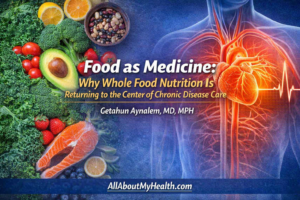
Across the United States and globally, healthcare systems are rediscovering something ancient cultures always understood: food is not just fuel—it is a therapeutic tool. In 2025 and beyond, the “Food as Medicine” movement has surged into mainstream clinical practice, driven by rising chronic disease rates, the limitations of supplement‑heavy approaches, and a renewed emphasis on whole‑food nutrition as a cornerstone of treatment.
From medically tailored meals to produce prescription programs, clinicians are increasingly integrating nutrition directly into care plans for conditions like diabetes, hypertension, obesity, heart disease, and autoimmune disorders. This shift is not a trend—it’s a structural transformation in how we understand health.
This article explores:
- Why whole foods—not supplements—are becoming central to chronic disease care
- The science behind food‑based interventions
- How clinicians are integrating nutrition into treatment plans
- Practical steps readers can take today
- Resources for deeper learning and long‑term empowerment
- Why “Food as Medicine” Is Surging in 2025–2026
1.1 The Chronic Disease Crisis Is Forcing a Paradigm Shift
Chronic diseases now account for 7 in 10 deaths in the U.S. and consume the majority of healthcare spending. Conditions like:
- Type 2 diabetes
- Hypertension
- Heart disease
- Obesity
- Non‑alcoholic fatty liver disease
- Autoimmune disorders
…are increasingly linked to dietary patterns, not genetics alone.
Healthcare systems are recognizing that treating symptoms without addressing nutrition is incomplete care.
1.2 Supplements Alone Aren’t Solving the Problem
The supplement industry is booming, but research consistently shows:
- Supplements cannot replicate the synergistic effects of whole foods
- Many supplements have inconsistent quality and variable absorption
- Over‑supplementation can cause harm (e.g., fat‑soluble vitamin toxicity)
- Whole foods contain thousands of phytonutrients not found in pills
Clinicians are shifting from “nutrient replacement” to nutrient‑rich dietary patterns.
1.3 Rising Healthcare Costs Are Driving Preventive Approaches
With medical costs rising and millions skipping care due to affordability, food‑based interventions offer:
- Lower cost
- Higher patient adherence
- Better long‑term outcomes
- Reduced medication dependence
Programs like produce prescriptions and medically tailored meals are now reimbursed by some insurers because they reduce hospitalizations and emergency visits.
- The Science Behind Food as Medicine
2.1 Whole Foods Provide Synergistic Nutrient Complexes
A single blueberry contains:
- Fiber
- Vitamin C
- Vitamin K
- Manganese
- Polyphenols
- Anthocyanins
- Antioxidants
These compounds work together in ways supplements cannot replicate.
This synergy:
- Reduces inflammation
- Improves metabolic health
- Supports gut microbiome diversity
- Enhances immune function
2.2 Anti‑Inflammatory Diets Reduce Disease Burden
Chronic inflammation is a driver of:
- Heart disease
- Diabetes
- Arthritis
- Depression
- Autoimmune disorders
Whole‑food dietary patterns—Mediterranean, DASH, plant‑forward diets—have been shown to:
- Lower inflammatory markers
- Improve insulin sensitivity
- Reduce blood pressure
- Improve lipid profiles
2.3 Gut Health Is Central to Chronic Disease Prevention
The gut microbiome influences:
- Immunity
- Metabolism
- Mood
- Hormone regulation
Whole foods rich in fiber, prebiotics, and polyphenols feed beneficial bacteria. Ultra‑processed foods and supplements do not.
- How Clinicians Are Integrating Food Into Treatment Plans
3.1 Medically Tailored Meals (MTMs)
These are meals designed by dietitians and delivered to patients with:
- Heart failure
- Diabetes
- Kidney disease
- Cancer
- Severe obesity
Studies show MTMs can:
- Reduce hospitalizations by up to 50%
- Improve medication adherence
- Lower overall healthcare costs
3.2 Produce Prescription Programs
Clinicians “prescribe” fruits and vegetables, and patients receive:
- Vouchers
- CSA boxes
- Grocery credits
These programs improve:
- A1C levels
- Blood pressure
- Weight management
- Food security
3.3 Nutrition Counseling as Standard Care
More clinics now include:
- Registered dietitians
- Health coaches
- Culinary medicine specialists
Culinary medicine programs teach patients how to cook, not just what to eat.
3.4 Integrative and Functional Medicine Approaches
These clinicians use food as a first‑line therapy for:
- Autoimmune disorders
- IBS and gut disorders
- Metabolic syndrome
- Chronic fatigue
- Hormonal imbalances
They emphasize:
- Anti‑inflammatory diets
- Elimination diets
- Whole‑food detoxification
- Personalized nutrition
- Whole Foods vs. Supplements: What the Evidence Shows
4.1 When Whole Foods Are Superior
Whole foods outperform supplements for:
| Condition | Whole‑Food Benefit |
| Diabetes | Fiber improves glucose control |
| Heart disease | Polyphenols reduce inflammation |
| Hypertension | Potassium‑rich foods lower BP |
| Obesity | Whole foods increase satiety |
| Gut disorders | Prebiotic fibers feed microbiome |
4.2 When Supplements Are Appropriate
Supplements are useful when:
- A deficiency is confirmed
- A condition requires therapeutic dosing
- Absorption issues exist
- Pregnancy or aging increases nutrient needs
Common evidence‑based supplements:
- Vitamin D
- B12 (especially for vegans)
- Omega‑3s (if dietary intake is low)
- Iron (when deficient)
4.3 Supplements to Approach With Caution
- High‑dose fat‑soluble vitamins
- Herbal blends with unknown interactions
- Weight‑loss supplements
- “Detox” pills
- Mega‑dose antioxidants
Whole foods remain the safest, most effective foundation.
- The Core Principles of a Food‑as‑Medicine Diet
5.1 Eat Mostly Whole, Minimally Processed Foods
Examples:
- Vegetables
- Fruits
- Whole grains
- Legumes
- Nuts and seeds
- Lean proteins
- Healthy fats
5.2 Prioritize Anti‑Inflammatory Foods
- Berries
- Leafy greens
- Fatty fish
- Olive oil
- Turmeric
- Ginger
- Green tea
5.3 Reduce Ultra‑Processed Foods
These foods contribute to:
- Weight gain
- Insulin resistance
- Gut dysbiosis
- Inflammation
5.4 Support the Gut Microbiome
Eat:
- Fermented foods (yogurt, kefir, kimchi)
- Prebiotic fibers (onions, garlic, oats)
- Polyphenol‑rich foods (berries, cocoa, herbs)
5.5 Balance Macronutrients
A balanced plate includes:
- ½ vegetables
- ¼ lean protein
- ¼ whole grains or starchy vegetables
- 1–2 tbsp healthy fats
- Food as Medicine for Specific Chronic Conditions
6.1 Diabetes & Prediabetes
Best foods:
- Beans and lentils
- Whole grains
- Leafy greens
- Nuts
- Berries
- Cinnamon
Avoid:
- Sugary drinks
- Refined grains
- Ultra‑processed snacks
6.2 Hypertension
Best foods:
- Bananas
- Sweet potatoes
- Beets
- Leafy greens
- Olive oil
Follow the DASH diet for optimal results.
6.3 Heart Disease
Best foods:
- Salmon
- Walnuts
- Oats
- Berries
- Avocado
6.4 Autoimmune Disorders
Focus on:
- Anti‑inflammatory foods
- Omega‑3s
- Gluten reduction (case‑by‑case)
- Gut‑supportive foods
6.5 Obesity & Metabolic Syndrome
Whole foods help by:
- Increasing satiety
- Reducing cravings
- Stabilizing blood sugar
- Practical, Everyday Ways to Use Food as Medicine
7.1 Build a Healing Kitchen
Stock:
- Herbs and spices
- Whole grains
- Frozen vegetables
- Beans and lentils
- Healthy oils
7.2 Simple Daily Habits
- Add one extra vegetable to every meal
- Replace sugary drinks with herbal tea
- Eat fruit instead of dessert
- Cook at home 3–5 times per week
7.3 Meal Planning for Health
A weekly plan might include:
- 2 plant‑based dinners
- 2 fish‑based meals
- 1 legume‑focused meal
- 1 whole‑grain bowl
- 1 flexible “family choice” night
7.4 Budget‑Friendly Tips
- Buy frozen produce
- Choose store‑brand whole foods
- Cook in batches
- Use beans as protein sources
- Food as Medicine for Families & Caregivers
8.1 Helping Loved Ones Eat Better
- Prepare meals together
- Share simple recipes
- Keep healthy snacks visible
- Make gradual changes
8.2 Supporting Aging Parents
Focus on:
- Protein intake
- Hydration
- Fiber
- Easy‑to‑chew foods
8.3 Teaching Children Early
- Involve them in cooking
- Offer colorful foods
- Avoid using food as reward or punishment
- Resources for Further Learning
Books
- How Not to Die – Michael Greger, MD
- The Blue Zones Kitchen – Dan Buettner
- Food Rules – Michael Pollan
Websites
- Harvard School of Public Health – Nutrition Source – https://nutritionsource.hsph.harvard.edu/
- American Heart Association – Healthy Eating – https://www.heart.org/en/healthy-living/healthy-eating
- Academy of Nutrition and Dietetics – https://www.eatright.org/
Courses & Certifications
- Culinary Medicine Specialist Certification
- Integrative Nutrition Health Coach Training
- Stanford Food & Health Online Course
Apps
- MyFitnessPal
- Cronometer
- Fooducate
- Daily Dozen
- Conclusion: Food as Medicine Is Not a Trend—It’s a Return to What Works
The renewed focus on whole‑food nutrition is not a fad—it is a clinically validated, cost‑effective, and deeply empowering approach to chronic disease care. As healthcare systems integrate food into treatment plans, individuals and families can take meaningful steps today to reclaim their health.
Food is not a replacement for medical care—but it is a powerful partner to it.
When we return to whole foods, we return to the foundation of human health.
Explore our all-other blogs at: https://allaboutmyhealth.com