Introduction: A Flu Season Unlike Recent Years
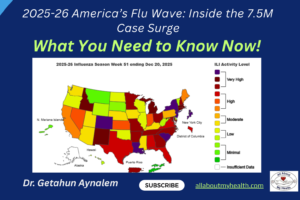
As 2025 came to a close, the United States found itself facing one of the sharpest rises in flu activity in recent memory. According to newly released CDC data, the nation has already recorded at least 7.5 million flu illnesses, 81,000 hospitalizations, and 3,100 deaths this season. Thirty‑two states are now experiencing high or very high flu activity, with the Northeast, parts of the South, and several Western states hit especially hard.
This surge is not only significant in scale—it’s also unfolding earlier and faster than typical flu seasons. A new influenza A (H3N2) variant, known as subclade K, is driving much of the spike, accounting for roughly 92% of tested flu samples. This strain has already caused major outbreaks in Canada, Japan, and the U.K., and now it’s sweeping across the U.S. with force.
For families, healthcare providers, and communities, the message is clear: this flu season demands attention, preparation, and proactive protection.
In this in‑depth article, we’ll explore:
- What’s driving the surge
- How the new H3N2 variant behaves
- Who is most at risk
- What symptoms to watch for
- How to protect yourself and your household
- What the CDC expects in the coming weeks
- Practical steps you can take today
Let’s break down what you need to know—and what you can do right now to stay safe.
- The Numbers Behind the Surge
The CDC’s latest FluView report paints a concerning picture. As of late December 2025:
- 7.5 million+ illnesses have been recorded
- 81,000 hospitalizations, nearly doubling from the previous week
- 3,100 deaths, including eight pediatric deaths
- 32 states reporting high or very high flu activity
- H3N2 is the dominant strain, making up 92% of tested samples
These numbers represent a 60% week‑over‑week jump in illnesses and hospitalizations in some regions—a sign that the virus is spreading rapidly and efficiently.
Why this matters?
A fast‑moving flu season strains:
- Hospitals
- Urgent care centers
- Pediatric units
- Long‑term care facilities
- Workplaces and schools
The earlier and sharper the spike, the more pressure communities face.
- What’s Driving the Spike? The Role of Subclade K (H3N2)
Public health experts attribute much of this year’s surge to a mutated H3N2 variant known as subclade K. This strain emerged after the current flu vaccine was finalized, meaning vaccine match may be imperfect, though still beneficial.
Key characteristics of subclade K
- Highly transmissible
- Spreads quickly in indoor winter environments
- Causes more severe illness in older adults
- Has driven outbreaks internationally before reaching the U.S.
Countries like Canada, Japan, and the U.K. saw significant spikes earlier in the year, offering a preview of what the U.S. is now experiencing.
- Where Flu Activity Is Highest Right Now
CDC maps show widespread activity, but some regions are especially affected:
Very High Activity
- New York
- New Jersey
- Connecticut
- Massachusetts
- Rhode Island
- Colorado
- Louisiana
High Activity
- South Carolina
- Louisiana
- Washington, D.C.
- New York City
- Several Midwestern states
Why the Northeast is hit hardest
Dense populations, colder temperatures, and holiday travel have created ideal conditions for rapid spread.
- Who Is Most at Risk?
While flu can affect anyone, certain groups face higher risk of complications:
- Adults 65+
- Children under 5, especially under 2
- Pregnant individuals
- People with chronic conditions (asthma, diabetes, heart disease)
- Immunocompromised individuals
- Residents of long‑term care facilities
This season has already seen eight pediatric deaths, a sobering reminder of the flu’s impact on children.
- Symptoms to Watch For
Flu symptoms can appear suddenly and may include:
- High fever
- Chills
- Body aches
- Fatigue
- Cough
- Sore throat
- Runny or stuffy nose
- Headache
- Vomiting or diarrhea (more common in children)
Because H3N2 tends to cause more severe symptoms in older adults, early detection is crucial.
- How This Flu Season Compares to Previous Years
While the CDC notes that the season is not classified as severe, the speed and scale of the rise are unusual.
Compared to last year:
- Illnesses are rising faster
- Hospitalizations nearly doubled in one week
- More states are reporting very high activity earlier in the season
Compared to pre‑pandemic seasons:
- Activity is more geographically widespread
- H3N2 dominance is similar to historically severe seasons
- Pediatric deaths remain lower but are rising
- What the CDC Expects Next
CDC officials warn that flu activity is expected to continue rising for several weeks. Reporting lags around the holidays mean current numbers may already be higher than published.
Key projections:
- January will likely see peak activity
- Hospitalizations may continue climbing
- Pediatric cases may rise as schools reopen
- Co‑circulation with RSV and COVID‑19 may complicate diagnosis and care
- How to Protect Yourself and Your Family
- Get Vaccinated (It’s Not Too Late)
Even with a partial match, the flu vaccine:
- Reduces severity
- Lowers hospitalization risk
- Protects vulnerable populations
- Helps slow community spread
- Practice Smart Prevention
- Wash hands frequently
- Avoid close contact with sick individuals
- Improve indoor ventilation
- Wear a mask in crowded indoor spaces
- Stay home when sick
- Strengthen Your Immune System
- Sleep 7–9 hours
- Stay hydrated
- Eat nutrient‑dense foods
- Manage stress
- Exercise regularly
- Seek Early Treatment
Antiviral medications work best when started within 48 hours of symptom onset.
- What Employers, Schools, and Communities Should Do
Employers
- Encourage sick employees to stay home
- Offer flexible sick leave
- Improve ventilation
- Provide hand sanitizer and cleaning supplies
Schools
- Reinforce handwashing
- Keep symptomatic children home
- Increase cleaning of high‑touch surfaces
- Communicate with parents about outbreaks
Healthcare Facilities
- Prepare for increased patient volume
- Prioritize high‑risk patients
- Ensure adequate staffing
- Monitor local flu trends daily
- The Bottom Line: Stay Informed, Stay Prepared
The U.S. is facing a fast‑moving flu season driven by a highly transmissible H3N2 variant. With 7.5 million illnesses, 81,000 hospitalizations, and 3,100 deaths already reported, the stakes are high—but there is still time to protect yourself and your loved ones.
Vaccination, prevention, and early treatment remain the most effective tools we have.
Call to Action
Protect your household today. Get vaccinated, stay informed, and share this article with friends and family to help slow the spread. Your actions can make a real difference this flu season.